The Future Engineered: How Innovation Labs are Redefining Creativity and Problem-Solving in the Modern Era
Innovation labs have emerged as dynamic hubs where creativity meets strategy, transforming abstract ideas into tangible solutions that shape industries and societies. These spaces foster collaboration across disciplines, enabling teams to experiment freely without traditional constraints.
From Silicon Valley startups to global corporations, innovation labs serve as incubators for breakthroughs that redefine what’s possible. They blend cutting-edge technology with human-centric design principles to address complex challenges head-on.
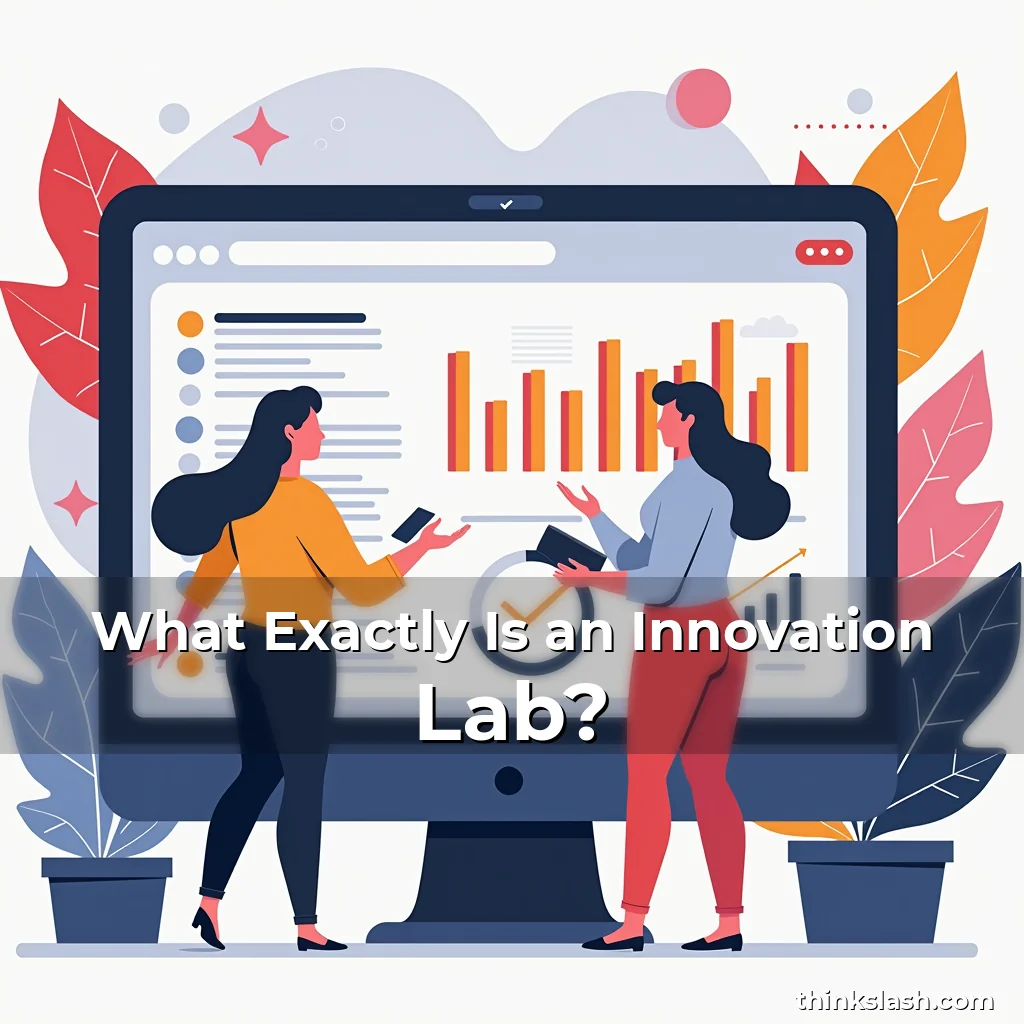
What Exactly Is an Innovation Lab?
An innovation lab is a specialized workspace designed to cultivate creative problem-solving through experimentation and cross-functional teamwork. Unlike conventional office environments, these labs prioritize flexibility, rapid prototyping, and iterative development processes.
These facilities often feature modular furniture, open-concept layouts, and integrated digital tools that support collaborative work. Their primary goal is to break down silos between departments and encourage out-of-the-box thinking.
Many organizations establish innovation labs to stay competitive in fast-evolving markets by fostering continuous improvement and agile responses to emerging trends.
While some labs operate internally within companies, others function as independent entities partnering with businesses, governments, and academic institutions to drive meaningful change.
The Core Principles Driving Innovation Lab Success
Successful innovation labs adhere to fundamental principles that differentiate them from regular research centers. Central among these is the emphasis on customer-centricity, ensuring all innovations align with real-world needs and pain points.
A culture of psychological safety enables team members to take risks without fear of failure. This environment encourages bold experiments and learning from mistakes rather than penalizing them.
Rapid iteration cycles allow ideas to evolve quickly based on feedback loops involving stakeholders at every stage of development. This agility helps avoid costly dead ends before significant resources are invested.
- Design Thinking: A human-centered approach that prioritizes empathy, ideation, and prototyping to create user-focused solutions
- Failing Forward: Embracing failure as part of the innovation process to extract value from setbacks and refine approaches continuously
Interdisciplinary collaboration brings together experts from diverse fields such as engineering, psychology, business strategy, and art. This fusion sparks novel perspectives that pure specialists might overlook.
Labs also maintain strong ties with external networks including universities, industry partners, and government agencies to leverage collective knowledge and resources effectively.
How Innovation Labs Operate Day-to-Day
Daily operations in an innovation lab typically follow structured yet flexible frameworks that balance spontaneity with strategic direction. Most labs begin each day with brainstorming sessions aimed at identifying new opportunities or refining existing projects.
Cross-functional teams usually meet regularly to review progress, share insights, and adjust project trajectories based on evolving requirements. These meetings emphasize transparency and active participation from all contributors.
Prioritization matrices help determine which initiatives receive attention first based on factors like potential impact, feasibility, and alignment with organizational goals. This ensures efficient resource allocation.
Prototyping phases involve creating minimum viable products (MVPs) to test assumptions rapidly while gathering user feedback for refinement. Iterative improvements continue until the solution reaches market-ready status.
Throughout this process, data analytics play a crucial role in informing decisions and validating hypotheses. Metrics tracking engagement levels, conversion rates, and other key performance indicators guide optimization efforts.
Mentorship programs connect junior innovators with experienced professionals who provide guidance, challenge assumptions, and offer career development opportunities tailored to individual growth paths.
The Impact of Innovation Labs Across Industries
Innovation labs have left indelible marks on various sectors by driving transformative changes that enhance efficiency, sustainability, and overall quality of life. In healthcare, they’ve pioneered telemedicine platforms improving access to medical care in underserved regions.
Educational institutions use innovation labs to develop immersive learning experiences leveraging augmented reality (AR), virtual reality (VR), and artificial intelligence (AI). These technologies personalize education and cater to diverse learning styles.
The manufacturing sector benefits from automation advancements enabled by innovation labs, reducing production costs while maintaining high standards of product quality and consistency.
Financial services firms employ these labs to create secure digital payment systems enhancing transaction speed and security simultaneously. Blockchain integration has revolutionized trust mechanisms in financial transactions.
Urban planners collaborate with innovation labs to design smart cities incorporating IoT devices for optimized traffic management, waste collection, and energy distribution systems.
Environmental conservation efforts gain momentum through innovative lab-developed renewable energy sources, pollution monitoring sensors, and sustainable material alternatives replacing harmful chemicals.
Case Studies: Real-World Applications of Innovation Labs
One notable example is IDEO’s design studio, renowned for its human-centered approach to problem-solving. Through empathetic research methods, they transformed everyday objects into intuitive interfaces that simplify users’ lives significantly.
Google X, now known as X Development LLC, developed groundbreaking projects like Project Loon, which used balloons to expand internet connectivity in remote areas. Though not all ventures succeed, each attempt contributes valuable lessons toward future innovations.
Samsung’s C-Lab nurtures entrepreneurial talent by allowing employees to pursue passion projects outside their core responsibilities. Many successful spin-off ventures originated from these experimental endeavors.
Procter & Gamble’s Connect + Develop program exemplifies how corporate innovation labs can accelerate product development timelines by tapping into external partnerships instead of relying solely on internal R&D capabilities.
MIT Media Lab continues pushing boundaries with interdisciplinary research spanning robotics, media arts, and neural interfaces. Their work influences everything from entertainment to assistive technologies benefiting people with disabilities.
Each case study highlights different facets of innovation laboratory effectiveness—whether focusing on consumer goods, digital infrastructure, or scientific exploration—the common thread remains fostering creative disruption through organized chaos.
Challenges Faced by Innovation Labs
Despite their numerous advantages, innovation labs encounter several obstacles that hinder optimal performance. One persistent issue is resistance to change from established hierarchies reluctant to embrace unorthodox methodologies.
Budget limitations frequently constrain the scope and scale of experimental projects, especially when competing against revenue-generating divisions within larger organizations. Securing consistent funding requires demonstrating clear ROI metrics upfront.
Measuring success poses another challenge since many innovations yield long-term benefits difficult to quantify using traditional KPIs focused primarily on immediate outcomes rather than systemic impacts.
Intellectual property disputes sometimes arise when collaborating with external partners over ownership rights of jointly developed technologies, requiring careful legal agreements beforehand.
Cultural mismatches between lab environments emphasizing experimentation versus corporate cultures valuing predictability create friction during implementation stages of newly conceived solutions.
Lastly, retaining top talent proves challenging due to high expectations placed upon individuals working in fast-paced, ever-changing conditions typical of most innovation laboratories today.
Tips for Establishing Your Own Innovation Lab
Create a dedicated physical space that promotes interaction and spontaneous idea generation. Incorporate elements like whiteboards, digital screens, and movable seating arrangements conducive to collaborative workflows.
Assemble a multidisciplinary team comprising designers, engineers, marketers, and subject matter experts who bring varied skill sets essential for holistic problem-solving approaches.
Implement agile project management techniques that facilitate quick pivots based on ongoing feedback rather than rigidly following predefined roadmaps devoid of adaptability features.
Foster an inclusive culture where everyone feels empowered to contribute regardless of position or seniority level; diversity enhances perspective breadth leading ultimately better solutions.
Establish robust evaluation criteria that go beyond mere profitability considerations towards assessing social impact potential alongside economic viability aspects equally important nowadays.
Develop strategic alliances with academia, NGOs, and private enterprises capable of providing additional resources, expertise, and validation channels necessary for scaling up promising prototypes successfully.
The Evolution of Innovation Labs Over Time
Innovation labs have undergone remarkable transformations since their inception, adapting to technological shifts and changing societal needs along the way. Initially seen merely as R&D extensions within corporations, they evolved into standalone entities focused specifically on disruptive innovation strategies.
Early iterations emphasized incremental improvements to existing products rather than radical reinventions of entire industries. However, contemporary labs now aim explicitly at creating paradigm-shifting solutions addressing previously unsolvable problems globally.
With the rise of digital transformation, modern innovation labs integrate AI-driven analytics extensively throughout their workflow processes—from initial concept generation to final deployment stages ensuring precision and scalability across implementations.
Remote collaboration became increasingly vital post-pandemic, prompting labs to adopt hybrid models combining both onsite interactions with virtual communication tools facilitating seamless international cooperation effortlessly.
Today’s innovation labs demonstrate greater awareness regarding ethical implications associated with new technologies they develop actively pursuing responsible innovation practices aligned closely with ESG (environmental, social governance) objectives prevalent across sectors currently.
This evolution reflects broader cultural movements favoring inclusivity, sustainability, and accessibility as integral components shaping tomorrow’s technological landscape positively impacting millions worldwide daily through thoughtful application of progressive ideals.
Conclusion
Innovation labs represent more than just physical spaces—they embody the spirit of curiosity, resilience, and forward-thinking that propels humanity toward unprecedented achievements. By merging technical prowess with creative vision, these ecosystems generate solutions once deemed impossible.
To harness the full potential of innovation labs, organizations must commit to nurturing environments where risk-taking is rewarded, failures are reframed as learning opportunities, and diverse voices contribute meaningfully to shaping our shared future collectively.
“`