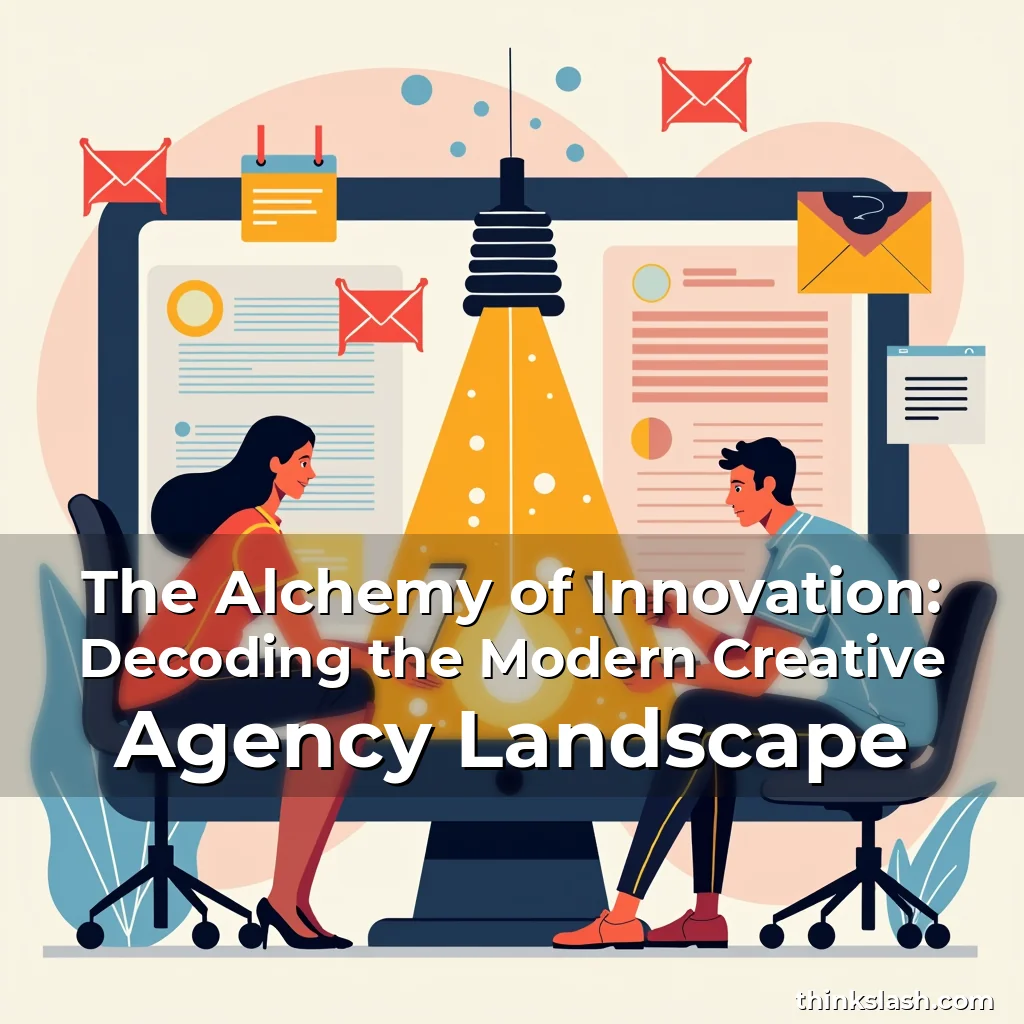
The Alchemy of Innovation: Decoding the Modern Creative Agency Landscape
In an era where brands compete not only through products but through experiences, creative agencies have evolved from mere marketing partners to strategic innovation engines. These dynamic organizations blend artistry with analytics, transforming abstract ideas into compelling narratives that resonate across digital and physical touchpoints.
From boutique studios specializing in immersive brand experiences to global powerhouses orchestrating multi-platform campaigns, modern creative agencies operate at the intersection of creativity and technology. Their work influences everything from consumer behavior patterns to cultural trends, making them essential players in today’s business ecosystem.
The Evolutionary Journey of Creative Agencies
The roots of creative agencies trace back to the early 20th century when advertising pioneers began recognizing the need for specialized talent beyond traditional sales teams. In those formative years, agencies primarily focused on print media, developing catchy slogans and eye-catching visuals to capture attention in crowded marketplaces.
As television emerged as a dominant medium in the mid-century, creative agencies expanded their skill sets to include scriptwriting, production coordination, and broadcast scheduling. This period marked the beginning of integrated marketing strategies, where visual consistency became crucial for brand recognition across different platforms.
The digital revolution of the late 20th century brought both challenges and opportunities. While traditional channels saw declining engagement rates, new technologies enabled agencies to experiment with interactive storytelling, video content creation, and data-driven campaign optimization. The rise of social media further transformed how brands connected with audiences, requiring agencies to develop expertise in platform-specific content formats.
- Diversified service offerings: Contemporary creative agencies now provide end-to-end solutions encompassing branding strategy, UX/UI design, motion graphics, and AI-powered content generation.
- Cross-disciplinary collaboration: Successful agencies foster environments where designers, copywriters, developers, and strategists collaborate seamlessly to deliver holistic solutions.
The current landscape sees agencies adopting agile methodologies and leveraging emerging technologies like augmented reality and generative AI to create next-generation experiences. As expectations continue to evolve, these organizations remain at the forefront of redefining what is possible in the world of brand communication.
Defining Characteristics of High-Impact Creative Agencies
A truly effective creative agency possesses several defining characteristics that set it apart in a competitive marketplace. First and foremost, they maintain a deep understanding of human psychology and behavioral economics principles. This insight allows them to craft messaging that resonates emotionally while also achieving commercial objectives.
Exceptional agencies demonstrate remarkable adaptability, quickly pivoting strategies based on real-time performance metrics and shifting consumer preferences. They invest heavily in research capabilities, utilizing tools like sentiment analysis algorithms and predictive modeling to anticipate market trends before they become mainstream.
Collaboration extends beyond internal teams to include close partnerships with clients’ own marketing departments. By aligning closely with organizational goals and maintaining open lines of communication, agencies ensure their creative outputs are always aligned with broader business strategies.
The most successful agencies cultivate diverse teams with varied backgrounds and perspectives. This diversity fuels innovative thinking, enabling them to approach problems from unconventional angles and generate breakthrough ideas that might elude homogenous groups.
Measuring Success Beyond Traditional Metrics
While conventional KPIs like click-through rates and conversion percentages remain relevant, forward-thinking agencies prioritize qualitative measures that reflect deeper brand impact. Surveys tracking emotional resonance, brand recall studies, and net promoter scores offer more nuanced insights into campaign effectiveness.
Some progressive agencies have begun implementing experience mapping techniques to understand customer journeys holistically. By analyzing touchpoints across multiple channels, they can identify areas for improvement and optimize interactions to enhance overall satisfaction levels.
The Strategic Value Proposition of Creative Agencies
For businesses seeking sustainable growth, partnering with a competent creative agency offers significant advantages. These professionals bring fresh perspectives unencumbered by internal biases, often identifying opportunities that in-house teams may overlook due to familiarity with existing processes.
Agencies typically possess access to cutting-edge tools and software that would be cost-prohibitive for individual companies to acquire independently. From advanced graphic design suites to sophisticated analytics platforms, these resources enable higher quality output without compromising efficiency.
Perhaps most importantly, experienced agencies understand the importance of maintaining consistent brand identity across all touchpoints. Through meticulous planning and execution, they help organizations build cohesive narratives that strengthen brand equity over time.
They also serve as invaluable advisors during times of transformation. Whether launching new product lines or entering foreign markets, their expertise helps navigate complex transitions while minimizing risks associated with misaligned messaging or poor audience reception.
Specialized Niches Within the Creative Industry
The creative industry has diversified significantly, giving rise to numerous niche specializations within the broader agency landscape. Some firms focus exclusively on experiential marketing, creating memorable events that leave lasting impressions on attendees. Others specialize in digital transformation initiatives, helping traditional businesses adopt modern marketing practices effectively.
Brand consulting agencies offer strategic guidance on positioning, voice development, and long-term vision shaping. Meanwhile, content creation specialists concentrate on producing high-quality material tailored specifically for various distribution channels such as social media, blogs, and email newsletters.
With the increasing demand for virtual presence, many agencies have developed expertise in metaverse-based marketing and AR/VR integration. These specialists help brands establish footholds in emerging digital spaces where competition is still relatively low.
Other notable specializations include user interface/user experience (UI/UX) design services, which play a critical role in ensuring websites and mobile applications provide optimal user experiences. Video production houses cater specifically to the growing need for visually rich content across platforms ranging from YouTube to TikTok.
The diversity of available options ensures that businesses can find specialized support matching exactly what they need, whether it’s complete overhaul of marketing strategy or enhancement of specific aspects of their outreach efforts.
Bridging Creativity and Technology: The New Frontier
One of the most exciting developments in contemporary creative agencies involves the seamless integration of artistic expression with technological advancements. Designers now employ artificial intelligence tools to generate concept sketches rapidly, allowing for greater experimentation without sacrificing quality.
Data visualization experts use machine learning algorithms to transform complex datasets into intuitive infographics that tell compelling stories. Interactive installations leverage Internet of Things (IoT) devices to create dynamic experiences that respond to visitor inputs in real time.
This fusion of disciplines enables the creation of hyper-personalized content delivery systems. Using cookies and browsing history information, agencies can tailor messages to match individual preferences while maintaining privacy compliance standards.
Voice assistant integration represents another frontier being explored actively. By designing conversational interfaces that feel natural yet informative, agencies help brands engage users in novel ways that were previously unimaginable.
Augmented reality applications allow customers to visualize products in their own environment before making purchases, reducing return rates while enhancing shopping experiences. These innovations exemplify how creative agencies continuously push boundaries between imagination and implementation.
Evaluating Potential Partnerships: What Businesses Should Consider
When selecting a creative partner, businesses must carefully evaluate several key factors to ensure alignment with their strategic goals. A thorough assessment of portfolio samples provides insight into past successes and creative approaches taken by potential candidates.
Interviewing team members offers valuable perspective on company culture and working style. It’s important to gauge whether the agency shares similar values regarding client relationships, project management philosophies, and ethical considerations.
References from previous clients can reveal much about reliability, timeliness of deliveries, and ability to meet deadlines consistently. Pay particular attention to feedback related to communication clarity and responsiveness during crisis situations.
Analyzing case studies demonstrates practical application of theoretical knowledge. Look for examples showing measurable outcomes rather than merely aesthetic achievements. Focus especially on instances where creative input led directly to business improvements.
Considering geographical proximity might seem outdated given digital connectivity, but local agencies often possess better understanding of regional nuances that could prove beneficial depending upon target demographics.
Navigating Challenges in the Creative Sector
The creative sector faces unique challenges that require careful navigation. One persistent issue involves managing client expectations, particularly when there’s mismatch between envisioned results and achievable outcomes within budget constraints.
Talent retention remains another pressing concern as skilled creatives seek ever-evolving opportunities elsewhere. Competitive compensation packages combined with meaningful projects tend to yield better employee satisfaction and reduced turnover rates.
Keeping pace with rapid technological changes demands continuous investment in staff training programs. Agencies must balance staying ahead of trends without becoming overwhelmed by constant updates requiring resource allocation shifts.
Maintaining profitability amidst rising operational costs presents ongoing difficulties. Effective financial planning becomes crucial for sustaining operations while delivering high-quality services consistently.
Lastly, adapting to changing regulatory landscapes requires vigilance and proactive measures. Compliance issues around data protection laws and intellectual property rights must receive appropriate attention to avoid legal complications down the line.
Fostering Long-Term Collaborations with Creative Agencies
Building enduring partnerships with creative agencies requires mutual commitment and clear communication from both sides involved. Establishing well-defined expectations at the outset prevents misunderstandings later on regarding scope, timelines, and deliverables.
Regular check-ins facilitate timely course corrections whenever necessary. Open dialogue encourages transparency about evolving needs or concerns that may arise during project execution phases.
Providing constructive feedback reinforces positive behaviors and helps refine future collaborations. Recognizing contributions publicly boosts morale among creative teams who appreciate acknowledgment for their hard work.
Investing in joint workshops fosters stronger connections between stakeholders. These collaborative sessions encourage idea sharing that might lead to innovative solutions neither party had considered independently.
Maintaining flexibility shows respect for each other’s capabilities and limitations. Understanding that some adjustments may be required along the way strengthens trust foundations essential for long-term success.
Conclusion
Creative agencies play an indispensable role in shaping modern brand identities and driving business growth through innovative storytelling. Their ability to merge artistic sensibilities with analytical rigor positions them uniquely within the corporate world.
By forming strategic alliances with reputable agencies, organizations gain access to specialized skills and technologies that might otherwise be inaccessible internally. This partnership model enables businesses to stay competitive in increasingly dynamic markets characterized by fast-paced change and heightened consumer expectations.