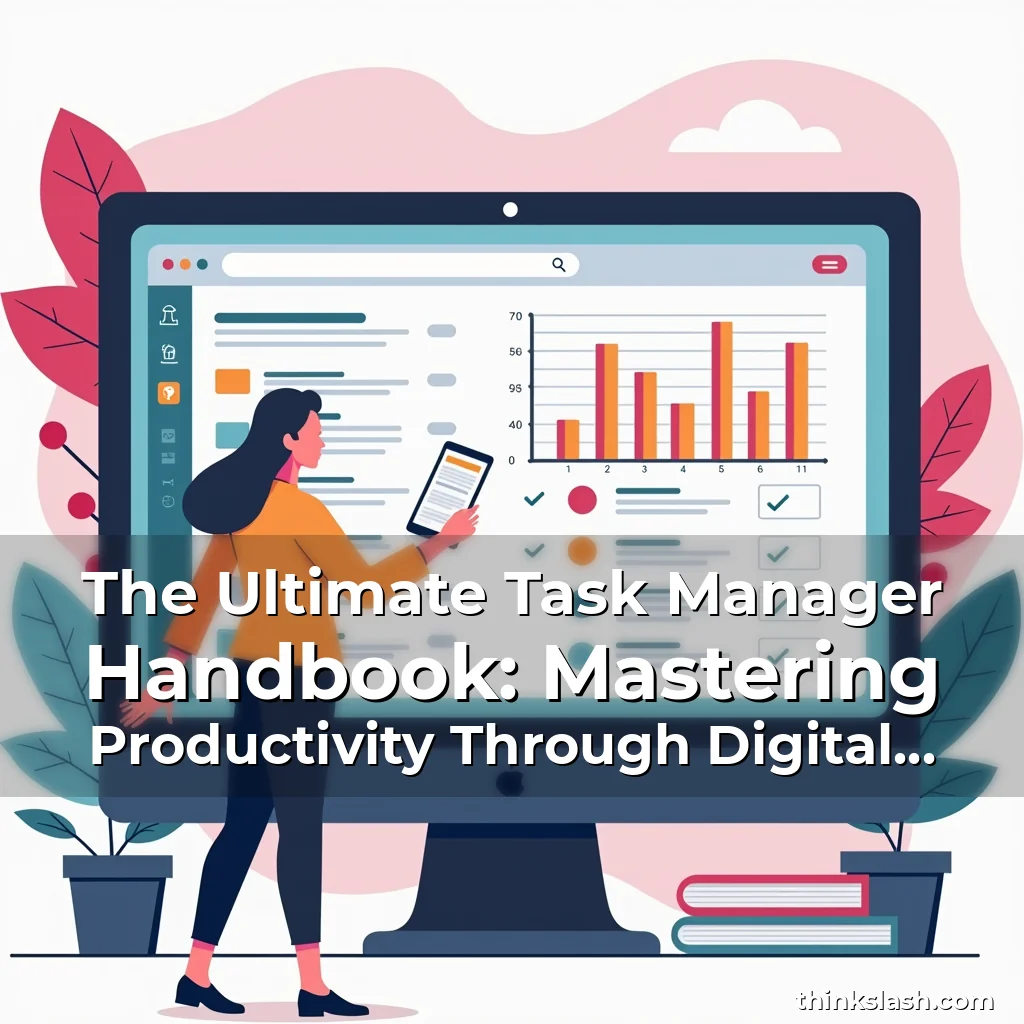
The Ultimate Task Manager Handbook: Mastering Productivity Through Digital Organization
In today’s fast-paced digital world, managing tasks efficiently has become essential for both personal and professional success. A task manager is more than just an app; it’s a powerful tool that transforms how we organize our workloads, prioritize responsibilities, and track progress toward goals.
This comprehensive guide explores everything you need to know about task managers—from their evolution over time to practical implementation strategies that can boost your productivity by up to 40% according to recent studies.
Understanding the Evolution of Task Management Tools
The concept of task management dates back centuries when people used simple tools like paper calendars and physical checklists to organize daily activities. These early methods required manual updates and lacked real-time tracking capabilities.
With the rise of computers in the late 20th century, software-based solutions emerged, offering features such as automated reminders and project timelines. This transition marked a significant shift from analog to digital task organization.
- Paper Systems: Early task lists were handwritten notes kept in notebooks or binders, often requiring frequent reorganization.
- Digital Pioneers: The first computerized task managers appeared in the 1980s with applications like Microsoft To-Do and Lotus Notes, which introduced basic scheduling functions.
Modern Task Managers: Features That Define Today’s Tools
Contemporary task management platforms offer sophisticated functionalities designed to streamline workflow processes across various industries. These tools integrate seamlessly with other business applications while providing customizable interfaces tailored to individual preferences.
A key feature of modern task managers is their ability to support collaboration among teams working remotely or within office environments. Real-time editing and commenting systems enable efficient communication without relying solely on email threads.
Many advanced platforms now incorporate artificial intelligence algorithms that analyze user behavior patterns to suggest optimal task prioritization based on deadlines and complexity levels.
Cloud storage integration ensures accessibility from any device connected to the internet, eliminating concerns related to data loss due to hardware failures or accidental deletions.
Selecting the Right Task Manager for Your Needs
Evaluating available options involves considering factors such as ease of use, compatibility with existing workflows, cost structures, and scalability potential. Different users have varying requirements depending on whether they’re individuals seeking personal organization or enterprises managing complex projects.
For solo entrepreneurs focusing primarily on self-management rather than team coordination, lightweight apps featuring intuitive drag-and-drop interfaces might be sufficient compared to heavier enterprise-level suites.
Users concerned about security issues should look for platforms employing end-to-end encryption protocols alongside regular backup mechanisms to protect sensitive information against cyber threats.
Considering future growth trajectories helps avoid situations where initial choices prove inadequate after rapid expansion phases necessitate more robust infrastructure capabilities.
Implementing Effective Task Management Practices
Adopting new methodologies requires careful planning to ensure smooth transitions between old habits and improved techniques. Establishing clear objectives at each stage prevents confusion during implementation periods.
Begin by identifying current pain points associated with traditional approaches before exploring alternative solutions better suited for addressing those challenges specifically.
Categorizing tasks into high-priority versus low-importance groups facilitates smarter decision-making regarding resource allocation and deadline adherence.
Setting measurable benchmarks allows continuous evaluation of performance improvements achieved through consistent application of enhanced organizational practices.
Leveraging Advanced Techniques for Optimal Results
Combining multiple task management strategies enhances overall effectiveness by catering to diverse needs simultaneously. Hybrid models incorporating elements from different frameworks provide flexibility absent in singular methodological approaches.
Time-blocking techniques allocate dedicated intervals exclusively for focused work sessions interspersed with scheduled breaks promoting mental rejuvenation cycles crucial for sustained concentration levels.
Gamification aspects introduce competitive incentives encouraging proactive engagement with assigned duties through reward systems linked directly to completion rates and efficiency metrics.
Data analytics modules generate visual reports highlighting trends relevant to productivity fluctuations enabling informed adjustments aimed at maintaining peak operational outputs consistently.
Overcoming Common Challenges in Task Management Adoption
Resistance towards change remains one of the primary obstacles hindering successful adoption initiatives despite evident benefits promised by innovative technologies. Addressing these apprehensions proactively fosters greater receptiveness towards transformation efforts.
Fear of increased workload initially perceived as burdensome may deter some individuals unless adequately explained how streamlined procedures actually reduce long-term stressors associated with disorganized schedules.
Social dynamics play critical roles influencing acceptance levels particularly within group settings where peer influence significantly impacts behavioral changes adopted collectively versus individually.
Providing adequate training resources coupled with ongoing technical support alleviates anxieties stemming from unfamiliarity with novel interface designs commonly encountered upon transitioning away from conventional methods.
Maintaining Consistency Through Regular Review Cycles
Consistent monitoring routines guarantee alignment between evolving priorities and established plans preventing drift caused by external influences disrupting preordained course directions unexpectedly.
Scheduled weekly assessments allow recalibration of targets ensuring continued relevance amidst shifting market conditions or internal restructuring events impacting original assumptions made earlier stages.
Periodic feedback loops involving stakeholders enhance transparency fostering mutual understanding regarding expectations versus actual accomplishments contributing positively towards trust development amongst collaborators.
Adjustments implemented promptly based on emerging insights preserve momentum generated initially thereby minimizing risks posed by delayed responses potentially leading to compounding inefficiencies downline pathways.
Conclusion
The journey towards mastering effective task management begins with recognizing its transformative power in reshaping daily routines into structured sequences optimized for maximum output realization.
By thoughtfully selecting appropriate tools aligned closely with personal or organizational needs combined with disciplined execution grounded solidly upon well-defined principles, anyone can achieve remarkable gains in productivity and satisfaction derived from accomplishing meaningful milestones regularly attained effortlessly.